Wakefield

North East and Yorkshire

Building upon our strong track record of partnership working our district is organised around six neighbourhood footprints, where partners are developing integrated neighbourhood teams. These teams bring together professionals from primary care, community services, mental health, adult social care and the voluntary sector to provide coordinated, person-centred support for local populations. 

Our approach is grounded in population health management and supported by a risk stratification tool that helps partners identify people at higher risk of deterioration or unplanned hospital use. This shared intelligence enables multidisciplinary teams to proactively coordinate care and provide earlier support. 

Initial efforts target three priority groups with complex needs: individuals with dementia, chronic obstructive pulmonary disease (COPD), and those nearing the end of life. Multidisciplinary teams, in neighbourhoods, facilitate coordinated interventions to support these individuals in their homes and communities. 

This proactive approach is already demonstrating impact. Based on Q3 data, Wakefield has achieved a 10% reduction in A&E attendances for the dementia and end-of-life cohorts, and a 10% reduction in non-elective admissions for the end-of-life cohort.  

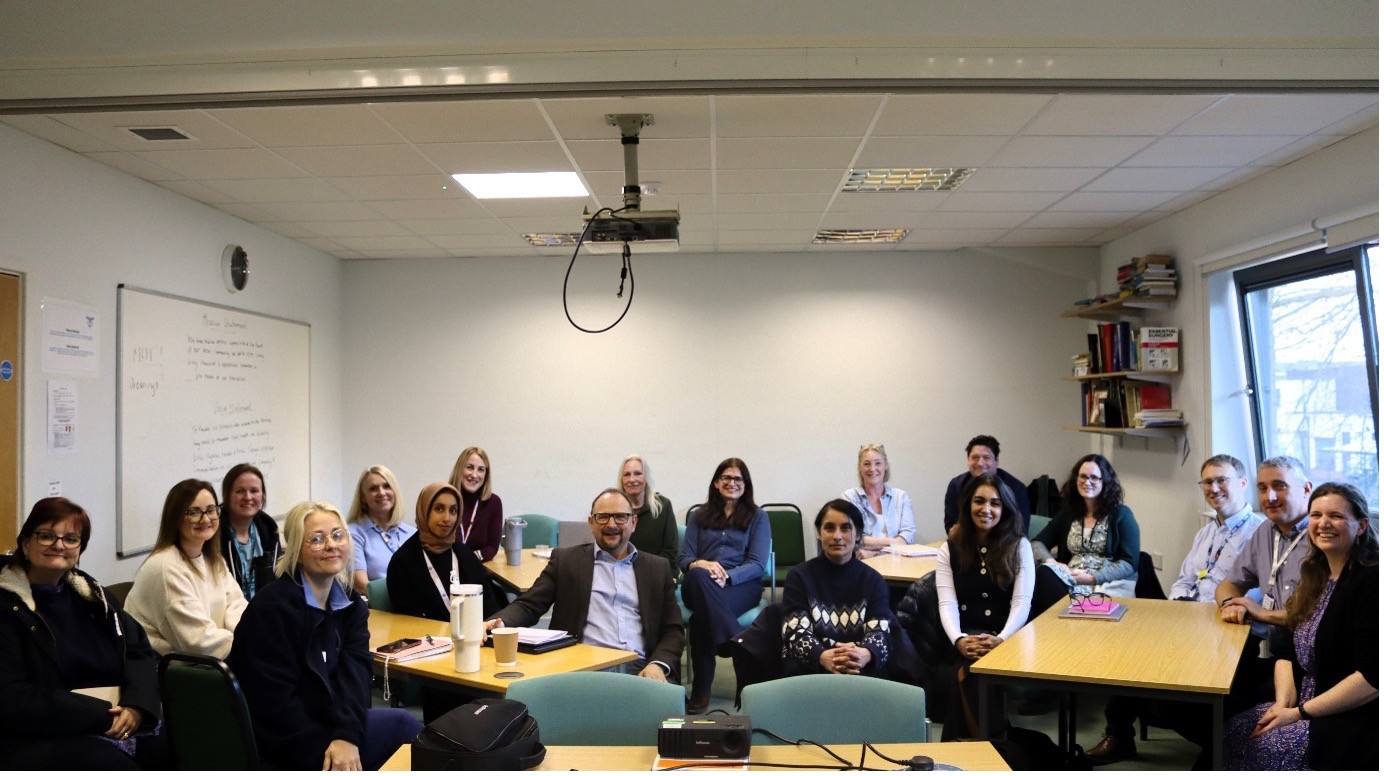
Below is a photograph taken during our visit from Minal Bakhai after observing a COPD multidisciplinary team meeting with our Pontefract & Knottingley neighbourhood as well as a map of neighbourhoods by majority LSOA of registered patients.  
Building upon our strong track record of partnership working our district is organised around six neighbourhood footprints, where partners are developing integrated neighbourhood teams. These teams bring together professionals from primary care, community services, mental health, adult social care and the voluntary sector to provide coordinated, person-centred support for local populations. 

Our approach is grounded in population health management and supported by a risk stratification tool that helps partners identify people at higher risk of deterioration or unplanned hospital use. This shared intelligence enables multidisciplinary teams to proactively coordinate care and provide earlier support. 

Initial efforts target three priority groups with complex needs: individuals with dementia, chronic obstructive pulmonary disease (COPD), and those nearing the end of life. Multidisciplinary teams, in neighbourhoods, facilitate coordinated interventions to support these individuals in their homes and communities. 

This proactive approach is already demonstrating impact. Based on Q3 data, Wakefield has achieved a 10% reduction in A&E attendances for the dementia and end-of-life cohorts, and a 10% reduction in non-elective admissions for the end-of-life cohort.  

Below is a photograph taken during our visit from Minal Bakhai after observing a COPD multidisciplinary team meeting with our Pontefract & Knottingley neighbourhood as well as a map of neighbourhoods by majority LSOA of registered patients.  
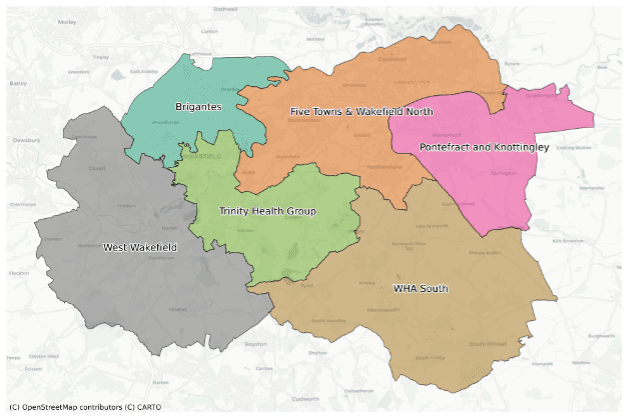
Map of neighbourhoods by majority LSOA of registered patients

Join the Community
on LinkedIn

Our LinkedIn group is where the movement comes to life. Join the conversation, connect with others passionate about neighbourhood health, and stay up to date with the latest news, events, and insights from NNHIP.

Join The Conversation

A cell phone with the linked logo on it

Have a question? Contact us

Whether you’d like to learn more, share your neighbourhood health example, or simply connect with our team, we’re here to listen. Get in touch and be part of shaping healthier, fairer communities together.

Contact Us

Contact Us