Nothing in life quite prepares you for becoming a new parent. That tornado of love, stress, elation and uncertainty – topped off with a good dose of exhaustion – is enough to leave anyone feeling overwhelmed. A strong support network can make all the difference.
In West London, many parents are fortunate to have access to one. The Maternity Champions programme shows how communities can become engines of health and wellbeing to ensure parents don’t struggle on alone and local children get the best start in life. It’s prevention in its most human form.
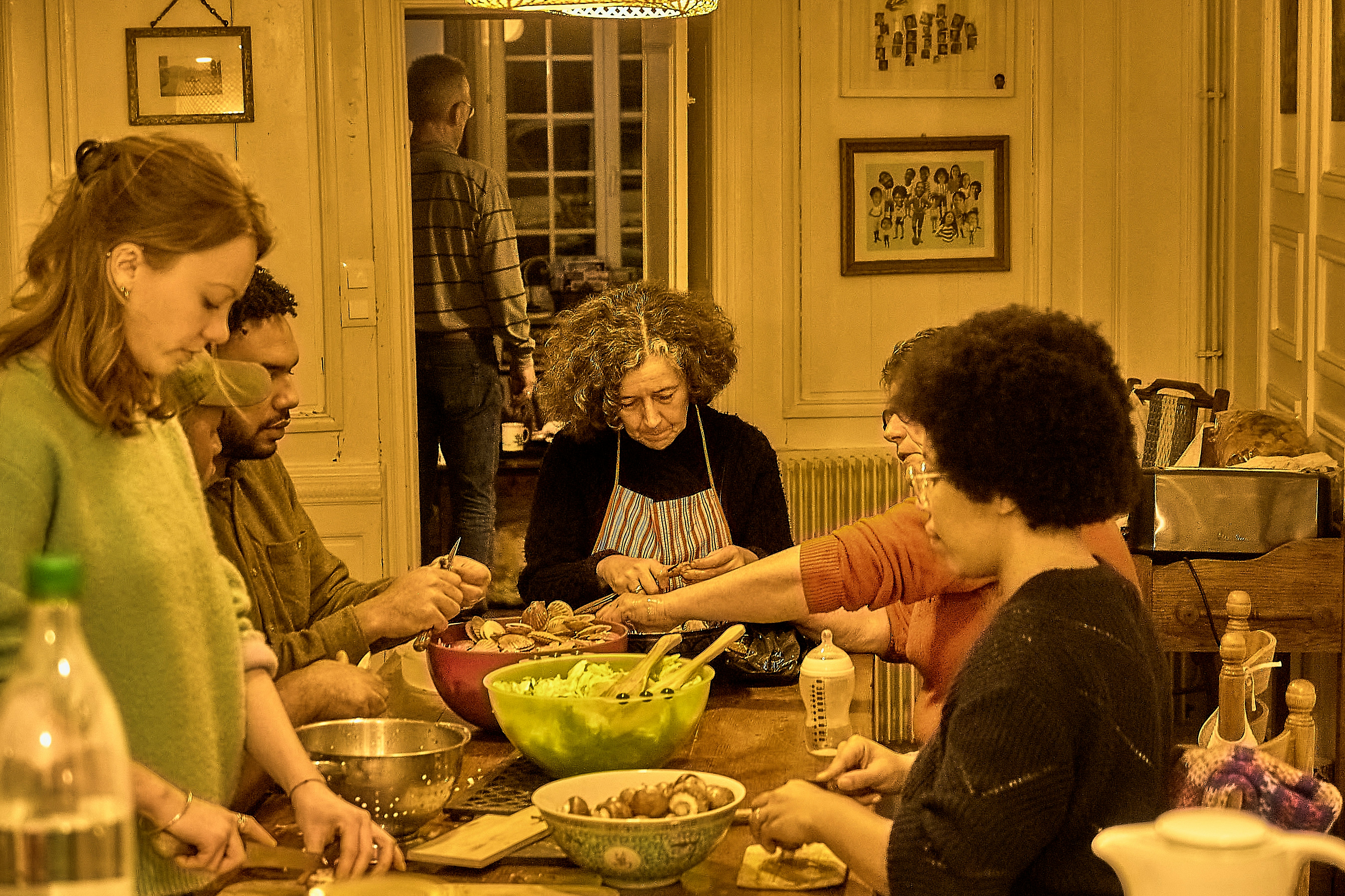
The story of the initiative begins with something wonderfully simple: a community dinner. Fifteen years ago, Samira Ben Omar, a public health innovator working with her Health Improvement Team, asked residents in White City how they wanted to use a small underspend budget of £6,500. No strings attached, no conditions – a completely free choice for the community. They chose a dinner for local residents. The event sparked conversation, connection, and ultimately, the birth of Community Champions – a network mobilising hundreds of people to co-design and co-deliver health and wellbeing projects such as Maternity Champions – with over a million pounds now raised to support their work.
Building on trust
What sets Community Champions apart is its foundation in trust and relationship-building. This isn’t the public sector parachuting in with pre-set plans or ticking boxes on engagement forms. Instead, it’s about genuinely making deep connections – building real, mutual relationships based on respect and shared purpose. Samira and the team spent months connecting with key people in the community convincing residents that they genuinely wanted them in charge.
“In the case of Community Champions, there was no initial agenda. Instead, there was openness and faith that the community would know best how to use resources to improve their own health and wellbeing. ”
This trust creates a ‘dialogue of equals,’ breaking down the traditional barriers between institutions and communities. It moves beyond consultation – often a one-way extraction of information – to ongoing, collaborative conversations where community members have real power to shape solutions. In the case of Community Champions, there was no initial agenda. Instead, there was openness and faith that the community would know best how to use resources to improve their own health and wellbeing.
Samira likes to call this the ‘what if approach’: starting with an open, creative mindset that asks ‘what if we do this’, rather than being constrained by routine, conventional ways of working.
This success story, and many others like it, offers profound insights into how neighbourhood health initiatives can ensure they are making the shift to prevention by being neighbourhood-led rather than just neighbourhood-based.
Learning from practice
Our experience of working with teams and places across the country that are making neighbourhood-led health a reality tells us that a clear set of principles underpins success.
Involve communities early and throughout: dialogue must start at the beginning and be continuous, not a last-minute ask or a one-off exercise.
Understand the unique make-up of communities: recognise diversity within communities and let them lead so approaches are inherently tailored to their social and cultural contexts.
Build trust through genuine personal relationships: trust is built between people not organisations, so take the time to listen, understand and connect authentically with the individuals in communities.
Share power meaningfully: create environments where community members can speak freely and influence decisions, and regularly assess and address evolving power dynamics.
Be flexible and adaptable: there’s no one-size-fits-all; approaches must evolve based on ongoing feedback and changing needs.
Embed evaluation and shared learning: evaluate outcomes and impact alongside members of the community. Continuously assess what’s working, what’s not, and make improvements together.
Resource it properly: Don’t ask communities to do this work unpaid or unsupported.
East London NHS Foundation Trust (ELFT) is just one example of a place that has put these principles into practice. Recognising the significant disparities in perinatal mental health outcomes for Black African and Caribbean women, ELFT designed solutions through partnership with local mothers, community organisations and primary care teams rather than from within the system. And they paid the mothers who took part in the design. This wasn’t symbolic inclusion – it was shared leadership bringing vital insights that might otherwise have been missed, such as a deeper focus on involving mothers’ partners in the provision of support.
This wasn’t a one-off project, but a sustained partnership with transparency, regular reflection, shared learning and mechanisms for feedback and accountability – including a Perinatal Mental Health Equity Board co-chaired by a local mother. Regular workshops brought together health professionals, community organisations and families to break down silos and shape new practices rooted in real-world experience. Co-learning also took place through everyday conversations, check-ins and safe spaces. These helped build trust by encouraging honest dialogue and helped make services more responsive.
The 10 Year Health Plan is clear about the fundamental role of the community in making neighbourhood health work. The plan states that it ‘expects [leaders] to look to the public, not to the centre, to decide their plans and derive their accountability... to truly focus on the outcomes of the community they serve, rather than the narrow boundaries of their own organisation.’
Achieving this radical shift means learning from countless initiatives across the country that are already working in this way and the message from them is clear. Start with people not institutions. Build trusting relationships. Share power and resource. Learn together.