Wirtten by Dr Minal Bakhai
Minal is the SRO for the National Neighbourhood Health Implementation Programme, Director for Primary Care and Community Transformation and Improvement and a GP in North West London.
“You can feel the change is happening.”
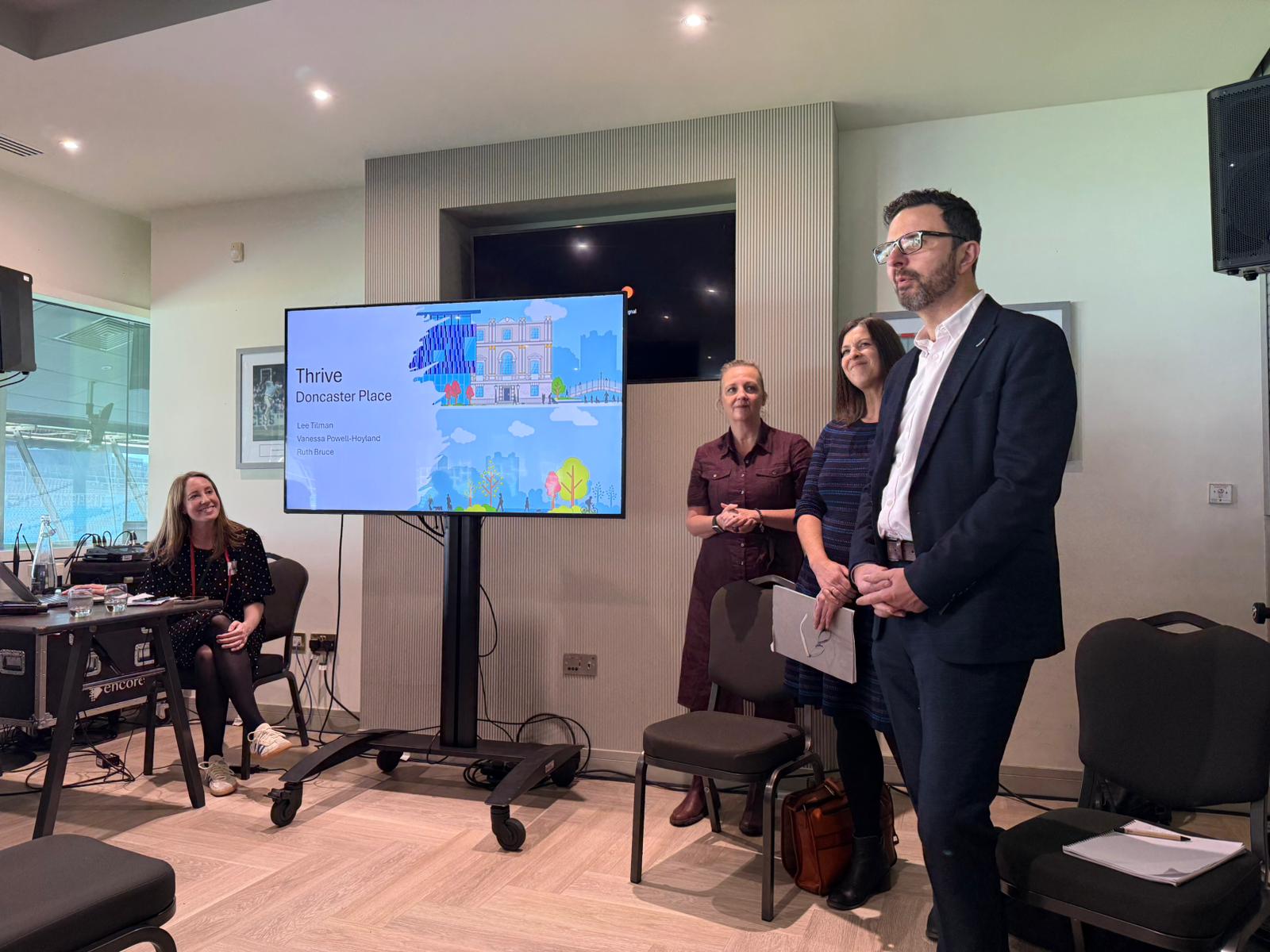
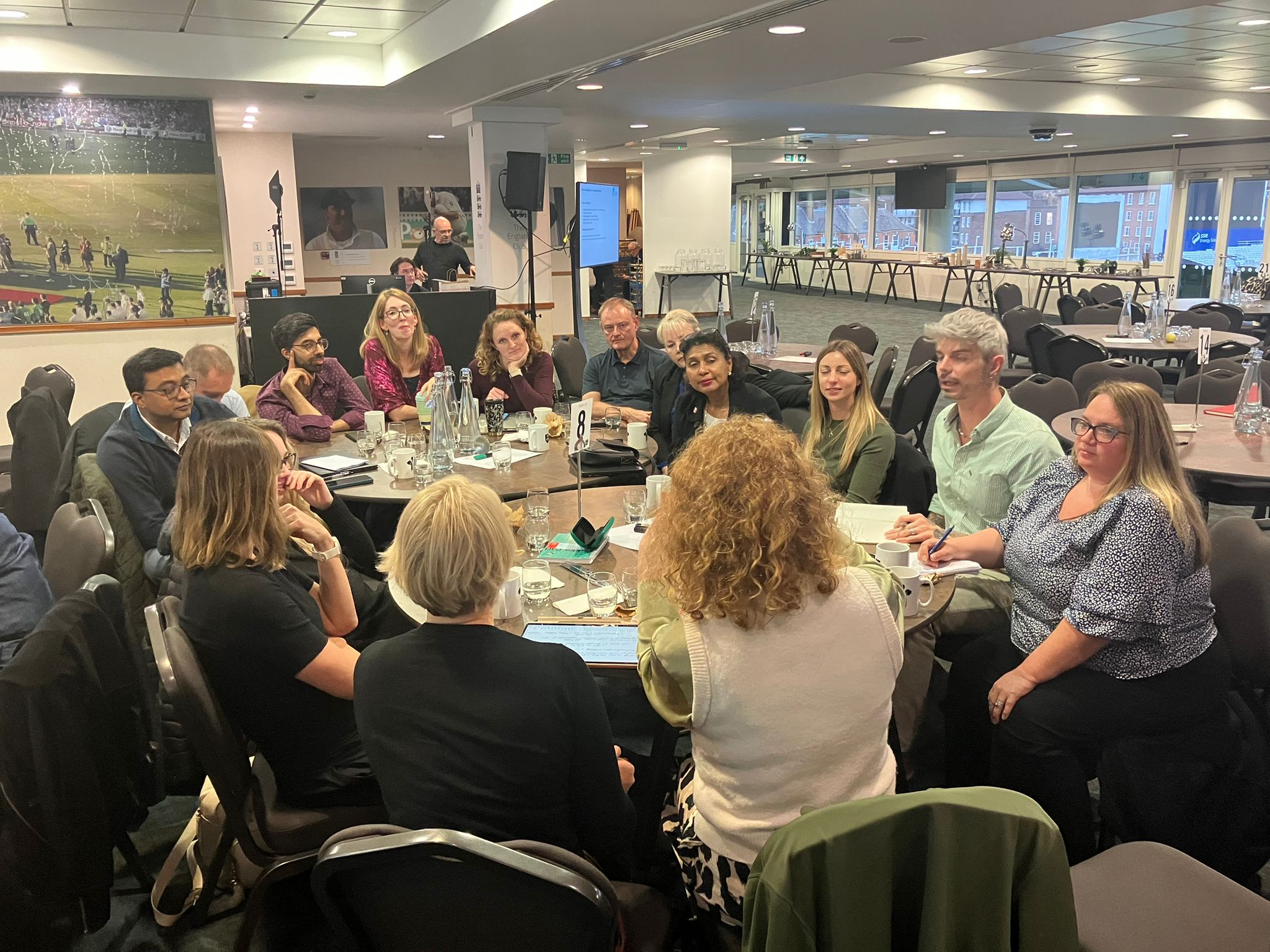
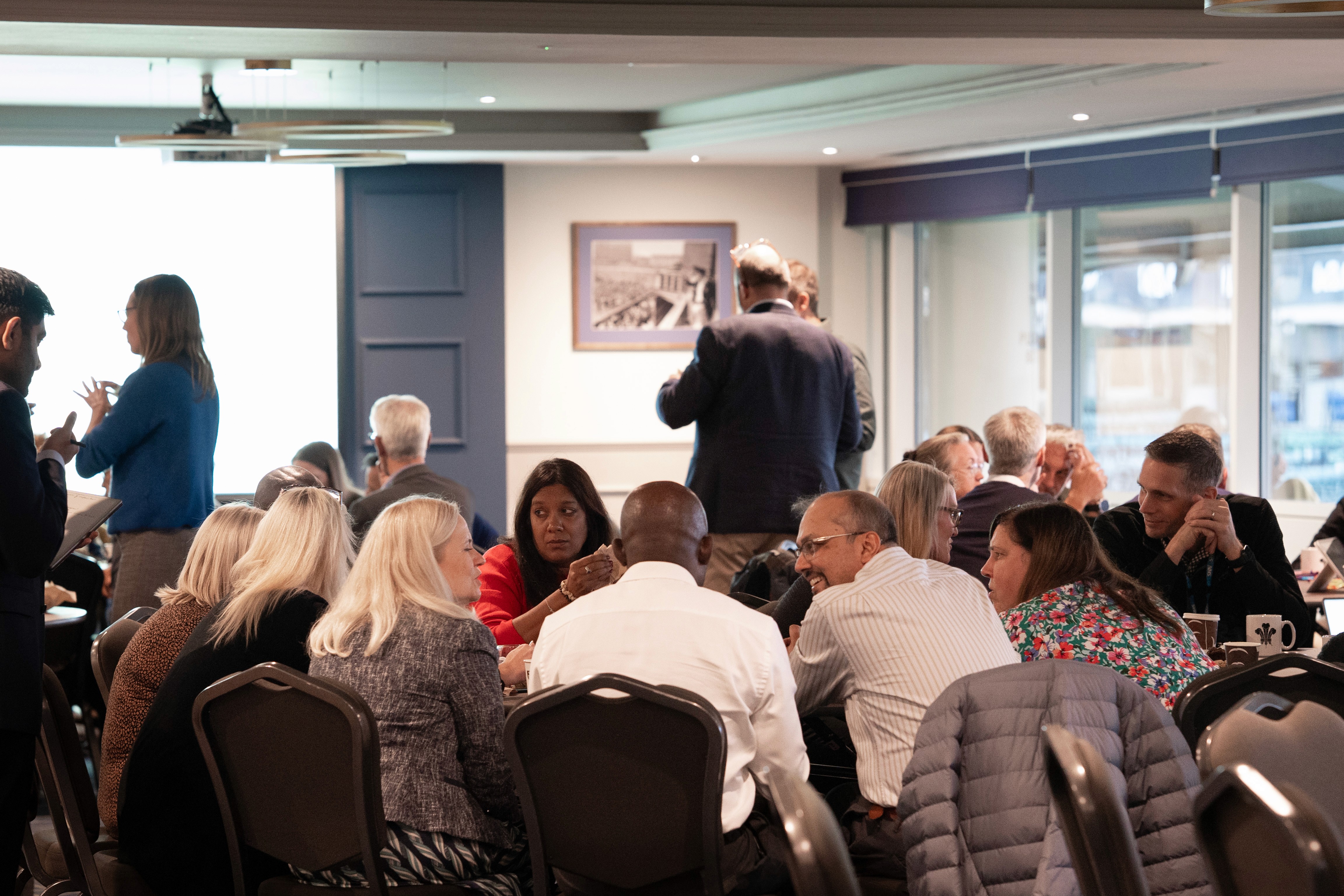
We recently wrapped up our first regional workshops for the National Neighbourhood Health Implementation Programme (NNHIP), and the energy in the room was unmistakable. Hearing from all 43 wave one sites helped crystallise a compelling, grounded, and urgent vision for what neighbourhood health can unlock—and why this moment truly matters.
A movement decades in the making
Neighbourhood health isn’t new. Across the country we are seeing brilliant examples of areas progressing neighbourhood working and seeing the results we’d like to spread more widely. But too often it’s been done despite the system rather than because of it.
So, what’s stopped us delivering neighbourhood health everywhere?
We’ve had the vision without the tools
For years, national policy has championed the right things: prevention, integration, personalised proactive care close to home. But the detailed policy work, focus and mechanisms to deliver it have largely been absent.
Instead, resources have flowed in the opposite direction towards hospitals and short-term recovery targets.
Previous change efforts were judged narrowly through the lens of the NHS with a focus on hospital activity rather than whole-person outcomes. Change was seen as a linear, technical process that can be scaled at pace rather than one that is complex, adaptive and predicated on trusted relationships. Local progress wasn’t locked in nationally, and good practice slipped backwards under the weight of mismatched incentives.
The result? Over the last 15 years an exponential increase in avoidable emergency hospital admissions —avoidable because they stem from underinvestment in primary care, community services and local social and community infrastructure critical for early intervention, prevention and health creation.
The case for change is no longer optional
We are hitting the limits of the current model:
Demand is rising fast: 68% of people over 65 will be living with multiple conditions within a decade.
Inequity is widening: there is already a 20-year gap in healthy life expectancy between the richest and poorest communities.
Population health outcomes are stagnating.
Staff are burning out: 41% of NHS staff report stress or exhaustion, often feeling they need to prioritise task completion over care and connection.
Public finances are tightening: the NHS already represents almost 40% of public spending. Without change, it could reach 60% within 30 years—an unsustainable trajectory.
Long-term conditions and multimorbidity are driving today’s and tomorrow’s demand. They’re starting earlier and progressing faster, especially in deprived areas. Yet here’s the hopeful truth: four modifiable risk factors drive most of this, and conditions like cardiovascular disease and diabetes are largely preventable.
But no single organisation can address this alone.
The NNHIP: is a radically different way of driving change
The NNHIP starts with a simple reality: Health is wider than healthcare and the vast majority of what shapes our health happens outside clinical settings.
This programme marks a shift:
From body parts to whole-person, whole-household care
From deficits to strengths
From organisational silos to equal partnerships with system and population accountability
From institutional power to community power
From “What’s the matter with you?” to “What matters to you?” Doing with, not doing to.
It isn’t about selecting a few exemplar sites. It’s about making neighbourhood health the norm everywhere, consistently and sustainably. It recognises the brilliant work already happening and creates the structures to spread it systematically across the country.
The programme is anchored around five core aims:
Changing mindsets: shifting from a purely medical model to a biopsychosocial approach to health
Changing ways of working: dissolving power imbalances and unnecessary bureaucracy that too often get in the way of delivering great responsive care working in partnership with communities
Changing how care is delivered: co-ordinating a named multi-agency ‘teams of teams’ around people with complex needs; mobilising the strengths of individuals, carers and communities embedding co-management of long-term conditions, health and wellbeing; building trusted community relationships and actively supporting access to community-led solutions that enhance the relational and listening capacity of the system and power prevention and health creation
Changing what we measure: focusing on what matters to communities, not just organisational metrics.
Hardwiring change: redesigning funding, performance frameworks, contracts and regulation so new ways of working are embedded in everyday practice.
How it works?
Tight–loose–tight approach:
Tight on a shared mission and accountability
Loose on how places deliver, with freedom to adapt to local context and assets
Tight on shared outcomes and active learning
A focus on whole-person outcomes, powered by strong partnerships: Bringing together person-reported outcomes and experience, activation, staff wellbeing, and system measures such as hospital admissions, outpatient use and GP activity. It recognises the deep interconnections across the system—collaboration is non-negotiable, and value comes from looking at the whole picture, not isolated parts
Surfacing barriers and co-producing solutions: Using rapid feedback loops so places and national teams can identify barriers, co-design solutions, and share learning through a national community of practice - ensuring enablers such as funding flows, new contracts, digital and data are firmly grounded in real-world delivery
Building capability at every level: A national coach working alongside a local coach to accelerate progress locally and measure impact; “academies of practice” to spread learning across systems; supporting and developing leaders; codesigning and coproducing with communities
Spreading what works, at pace: testing and shaping what works, sharing it quickly between places, and supporting others to adopt and adapt it - scaling change meaningfully which enables a ‘left shift’
Cross-government collaboration: Recognising that health is a horizontal issue shaped by far more than healthcare alone, we are working across government to pool capabilities and resources at place level. By combining impact investment (blended finance) with strong place-based partnerships, we aim to turbocharge a sustained approach to prevention and proactive care including enabling VCSE and grass root community organisations—achieving impact that is greater than the sum of our parts.
The NNHIP is deliberately designed to give places real agency, with national teams walking alongside rather than above. Because the process we use to get to the future is the future we create.
And the response has been extraordinary: 141 applications covering 144 places—83% of England. Appetite, readiness and momentum have never been greater.
Building the conditions for success
Working with over 40 areas progressing neighbourhood health, we’ve distilled the high-impact actions and design principles that consistently enable neighbourhood health to thrive. Strikingly, around 80% of these are almost identical across every area — the answers really are in the room
Identified “design principles” for Neighbourhood Health include:
Building shared multi-organisational leadership, purpose, ways of working and accountability to communities
Understanding and setting clear actionable goals focused on local challenges
Co-design of care and delivery with communities and practitioners, mobilising and strengthening system and community assets
Devolving and pooling budgets at Place to achieve shared outcomes and value-based care
Implementing enabling mechanisms for people, estates, digital, data and financial flows
Empowering teams to work together seamlessly, moving across organisational boundaries, with freedom to test, learn and adapt.
Understand the experience of working in other organisations/settings and developing relationships through joint leadership, training and development at all levels
A relentless focus on outcomes, learning and improving in partnership with people and communities.
Structures and mechanisms to scale and spread effective approaches and neighbourhood working, shifting resources into the community
This is a cultural shift, not a technical one
If we keep doing what we’ve always done, we’ll always get what we’ve always got. Delivering neighbourhood health means unlearning habits, rebuilding trust and working differently across every layer of the system. It requires a coalition of the determined.
But the opportunity is huge. As the 10-Year Plan puts it:
“Our reforms will break with the past by pushing power out to places, providers and patients… replacing diktat with outcomes, partnerships and collaborative progress.”
This is our moment to make neighbourhood health real—everywhere.